

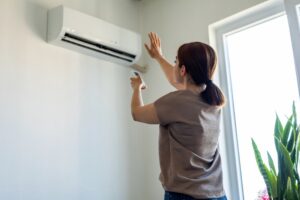
 Poor ventilation remains a primary overlooked (and ruinous) issue in rental properties. Provided that draft is poor, vapor increases, elements corrode faster, and maintenance costs gradually jump. For property owners, knowing proper ventilation maintenance and identifying airflow issues in the beginning can prevent costly repairs, keep up property worth, and develop renter satisfaction, much before seen havoc happens.
Why Ventilation Is a Bigger Issue Than Most Landlords Realize
Indoor ventilation is a particular maintenance field that is frequently unheeded. This remains the case until a clear-cut snag occurs, like mold or persistent odors. Yet, rental property owners need to be certain to include ventilation on their maintenance checklists. This stems from how indoor ventilation impacts virtually all mechanisms in a rental property, from walls and flooring to HVAC performance. While air doesn’t move effectively, wetness settles. Eventually, that trapped moisture becomes the starting point of countless “cryptic” maintenance needs that can quickly become burdensome costs. Actually, proper indoor ventilation does far more than maximize comfort. It also:
- Controls indoor humidity
- Prevents moisture buildup
- Reduces odors and airborne pollutants
- Protects building materials from deterioration
Therefore, rental ventilation maintenance is a cornerstone prophylactic measure that reduces wear and tear and leaves your property easier to maintain.
Common Signs of Poor Ventilation
Part of the cause for why ventilation is often overlooked during maintenance checks is that many flow inconsistencies start inconspicuously. But grasping the warning signs can empower you to catch these problems before they result in expensive repairs.
Noteworthy warning signs to stay alert for include:
- Condensation inside windows or on interior walls
- Musty or stale interior odors
- Mold or mildew spots in bathrooms or closets
- Interior paint peeling or bubbling
- Excess indoor humidity in the air
The discovery of one or more of these symptoms usually denotes underlying airflow issues that won’t be cleared without addressing ventilation throughout the property.
The Hidden Financial Costs of Poor Ventilation
The investment side of ventilation problems in a rental property often translates to heavier maintenance and repair duties. In essence, poor air exchange can wreck the property via these main channels:
- Moisture Damage to Walls, Floors, and Ceilings: Excess moisture produces warped flooring, crumbling edges, stained tops, and compromised walls. These costs snowball and often repeat if the draft isn’t improved.
- Increased Maintenance and Repair Expenses: Poor ventilation generates a loop of quick fixes. Re-coating stains, swapping damaged items, or managing constant mold becomes routine rather than preventive.
- HVAC Strain and Higher Utility Costs: If air doesn’t circulate properly, HVAC units push harder to normalize conditions and moisture. This impacts equipment lifespan and inflates energy consumption.
Poor ventilation also damages tenant loyalty, with financial consequences for property owners. Renters often discover ventilation problems long before the owner, spotting issues like thick air, scents, and mold spots. These conditions hurt the quality of life and can spark health concerns. When inhabitants are uneasy about the air quality inside their rental home, they are unlikely to stay another year. That results in more turnover and vacancies, plus lost rental cash.
Practical Ventilation Improvements for Rental Properties
The welcome reality for rental property owners is that helpful solutions for poor ventilation do not always necessitate major construction work. Key budget-friendly fixes that can improve indoor air flow in a rental property include:
- Ensuring bathroom and kitchen exhaust fans are clean and work reliably
- Improving attic and crawlspace airflow by installing better vents and ducts
- Regularly inspecting and cleaning vents and ductwork
- Ensuring windows are accessible, well-screened, and produce strong airflow
- Proactively addressing other issues, as needed
Ultimately, combining rental ventilation maintenance with your general property care will help protect your property and cash flows, and prevent slight troubles from becoming serious restorations.
Improved Ventilation Is Preventive Maintenance That Pays Off
Rental property ventilation may be difficult to see, but it should never be neglected. Addressing airflow issues in your properties in the early phases can help curtail repair overhead, maximize the utility of big-ticket systems, and create a healthier living environment for your inhabitants. Clearly, for landlords, good ventilation is not just a fee: it’s an investment.
Are you a renter looking for a healthier, more comfortable living environment? Minimal airflow can degrade everything from air quality to your day-to-day comfort. At Real Property Management Republic, we are committed to helping renters find homes that are professionally handled and engineered for their comfort. Browse our available rentals in Spring or ring us at 281-362-5001 today and pursue the path toward a rental that truly accommodates you.
This content is provided for general informational and educational purposes only and does not constitute financial, legal, tax, or investment advice. Readers should consult with licensed professionals regarding their specific circumstances.
We are pledged to the letter and spirit of U.S. policy for the achievement of equal housing opportunity throughout the Nation. See Equal Housing Opportunity Statement for more information.
